
Episodes
197
Nov. 26, 2019
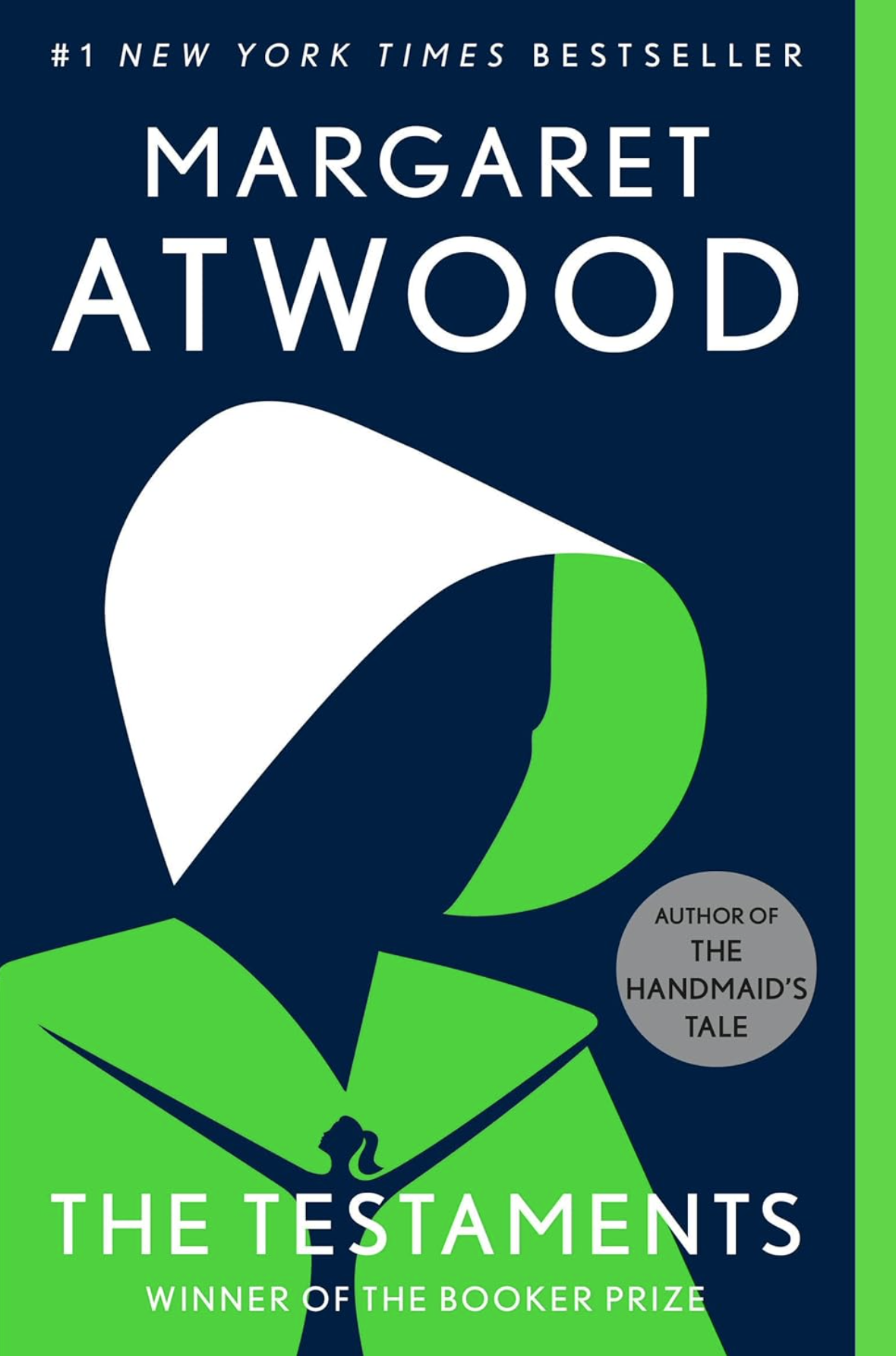
Margaret Atwood
A week ago, Margaret Atwood (b. 1939) turned 80. A month ago, she was awarded the Booker Prize for her eighteenth novel, The Testaments. But how did the little girl who grew up in the forests of Canada turn into one of the most successful and celebrated authors of her day? And what do we make of someone whose fierce independence is matched only by her commitment to defying all stereotypes and categorizations? In this episode, Jacke takes a look at the life and career of the incredible Margaret A...
196
Nov. 18, 2019
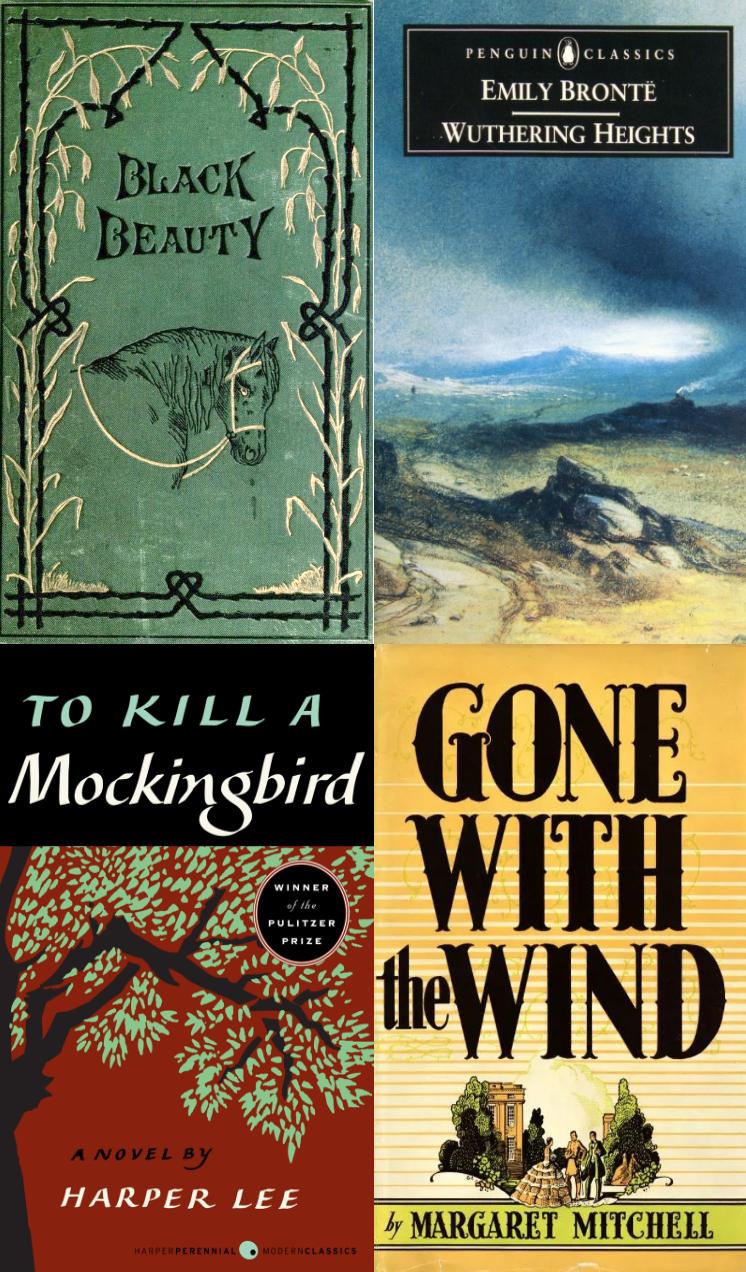
One-Hit Wonders! (with Mike Palindrome)
We all know how difficult it is to scale the mountain of success, whether you're a musician or a novelist. But why do some artists reach the summit again and again, while others spend the rest of their careers stuck in the valley, gazing up and thinking about what might have been? In this episode, Jacke and Mike take a look at some classic "one-hit wonders" in the world of literature and popular music. Help support the show at patreon.com/literature or historyofliterature.com/shop. (We apprec...
195
Nov. 11, 2019
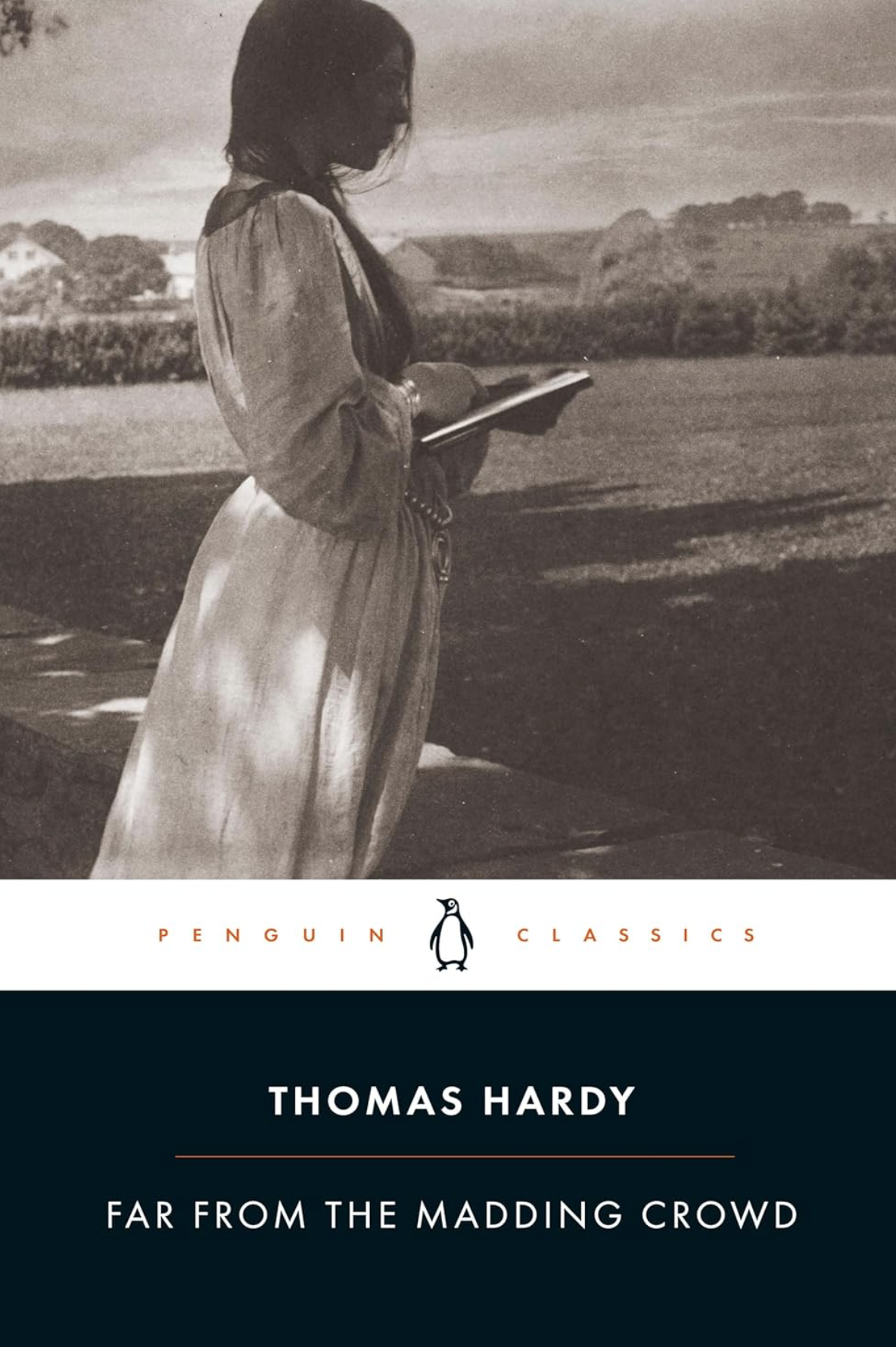
Thomas Hardy
He was born to a lower class family of tradesmen in 1840. Eighty eight years later, he died as one of the most celebrated writers in England. His name was Thomas Hardy (1840-1928), and he was at the same time the product of the Victorian era and one of its greatest critics. But how did this man go from being a builder and architect to writing poetry and eventually the novels that made him famous? What made this budding young priest turn away from the church? And why, after becoming a successful ...
194
Nov. 4, 2019
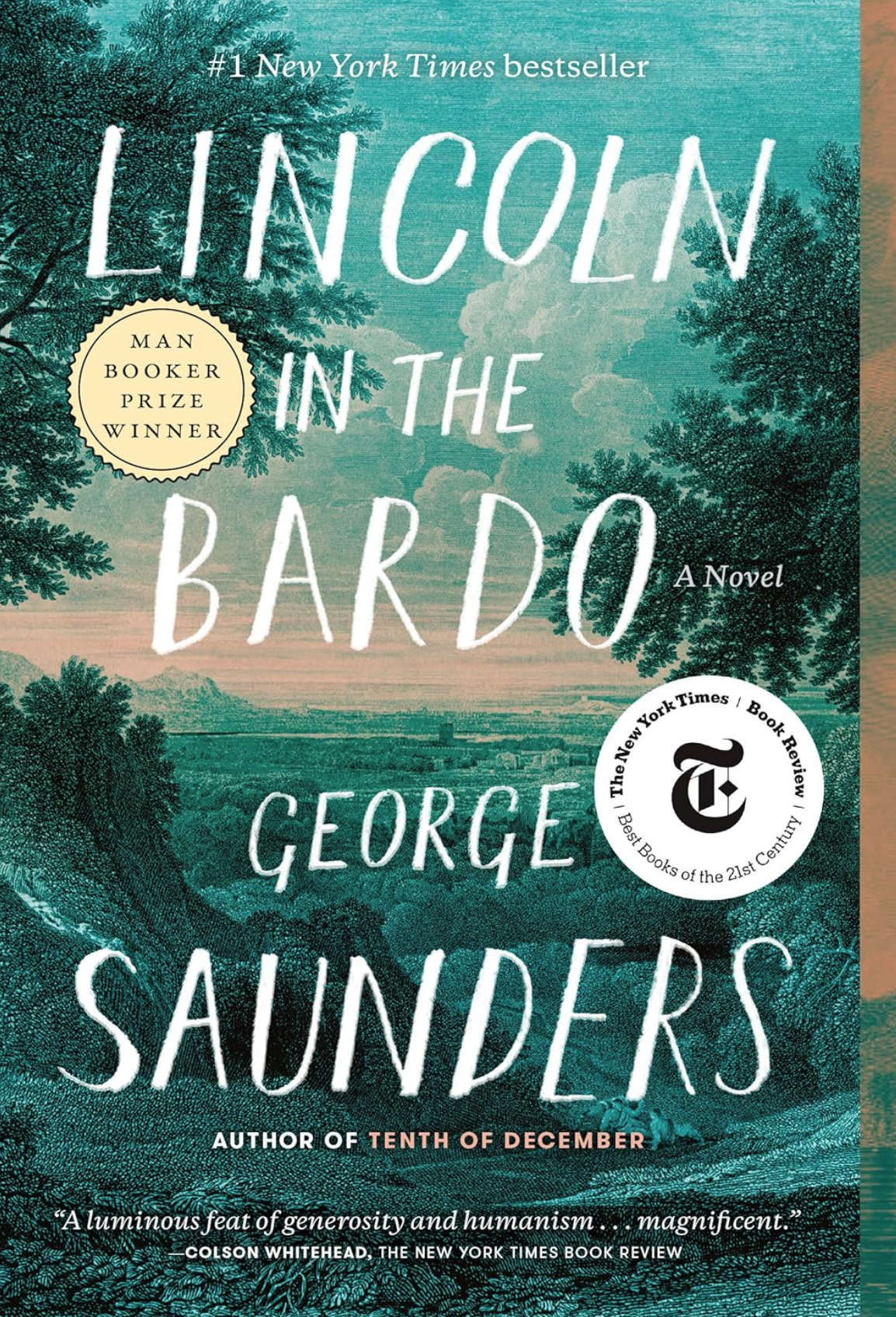
George Saunders (with Mike Palindrome)
Jacke and Mike take a look at contemporary author George Saunders, author of Pastoralia, Tenth of December, and Lincoln at the Bardo, In spite of some inauspicious beginnings, Saunders somehow managed to ascend to literary greatness, setting aside a career in mining to become, in the words of poet Mary Karr, "the best short-story writer in English--not 'one of,' not 'arguably,' but the best." Help support the show at patreon.com/literature or historyofliterature.com/shop. (We appreciate it!) ...
193
Oct. 28, 2019
Macbeth
It's been called "the great Shakespearean play of stage superstition and uncanniness." It's also one of Shakespeare's four major tragedies, and for more than four hundred years it's proved horrifying to audiences and captivating to scholars. And it's a perfect play for October, with witches and prophesies, murder and mayhem, and a madly ambitious would-be king and his fiendish paramour. In this special Halloween episode, host Jacke Wilson takes a look at Shakespeare's Macbeth: its origins, its i...
192
Oct. 21, 2019
Alfred Hitchcock (with Mike Palindrome)
Jacke's joined by the Hall of Fame Guest Mike Palindrome (President of the Literature Supporters Club) for a look at the ten greatest films by the Master of Suspense, Alfred Hitchcock. Hitchcock directed dozens of films, including masterpieces of the suspense genre like Strangers on a Train, Shadow of a Doubt, Saboteur, Notorious, Vertigo, North by Northwest, The Birds, Dial M for Murder, Rear Window, To Catch a Thief, The Trouble with Harry, Lifeboat, Spellbound, The 39 Steps, The Lady Vanishes...
191
Oct. 10, 2019
Chinua Achebe
Chinua Achebe's first novel Things Fall Apart (1959) ushered in a new era where African countries, which had recently achieved post-colonial independence, now achieved an independence of a different kind - the freedom of imagination and artistry, as African authors told the stories of their geography, their culture, and their experience from the point of view of Africans, and not from the point of view of those who perceived them from only from the outside. "It sparked my love affair with Africa...
190
Oct. 3, 2019
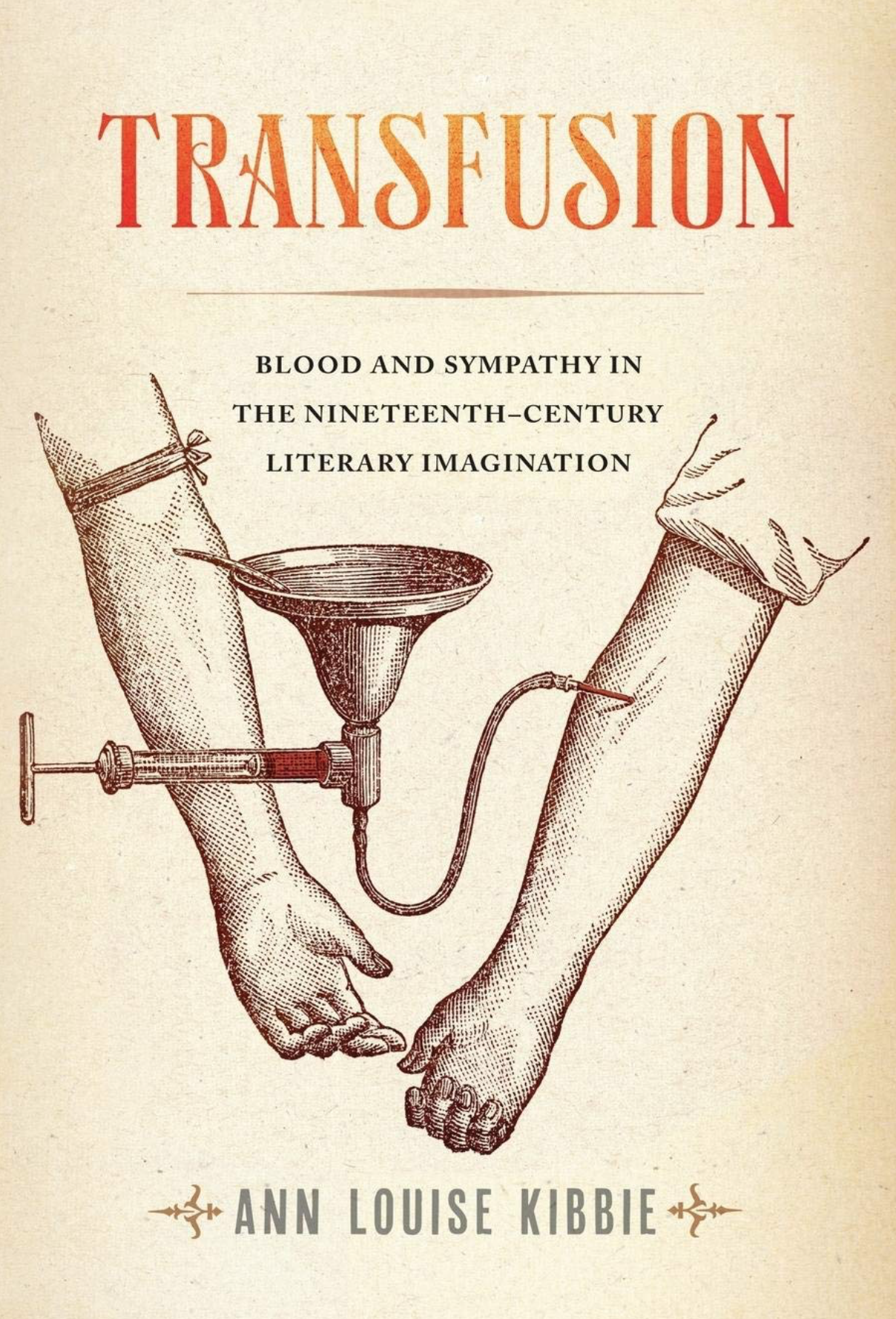
Blood and Sympathy in the 19th Century (with Professor Ann Kibbie)
"England may with justice claim to be the native land of transfusion," wrote one European physician in 1877, acknowledging Great Britain’s role in developing and promoting human-to-human transfusion as treatment for life-threatening blood loss. But what did this scientific practice mean for literature? How did it excite the imagination of authors and readers? And how does our understanding of transfusion help us to understand our own reading of historical and contemporary scientific advancements...
189
Sept. 26, 2019
Weeping for Gogol
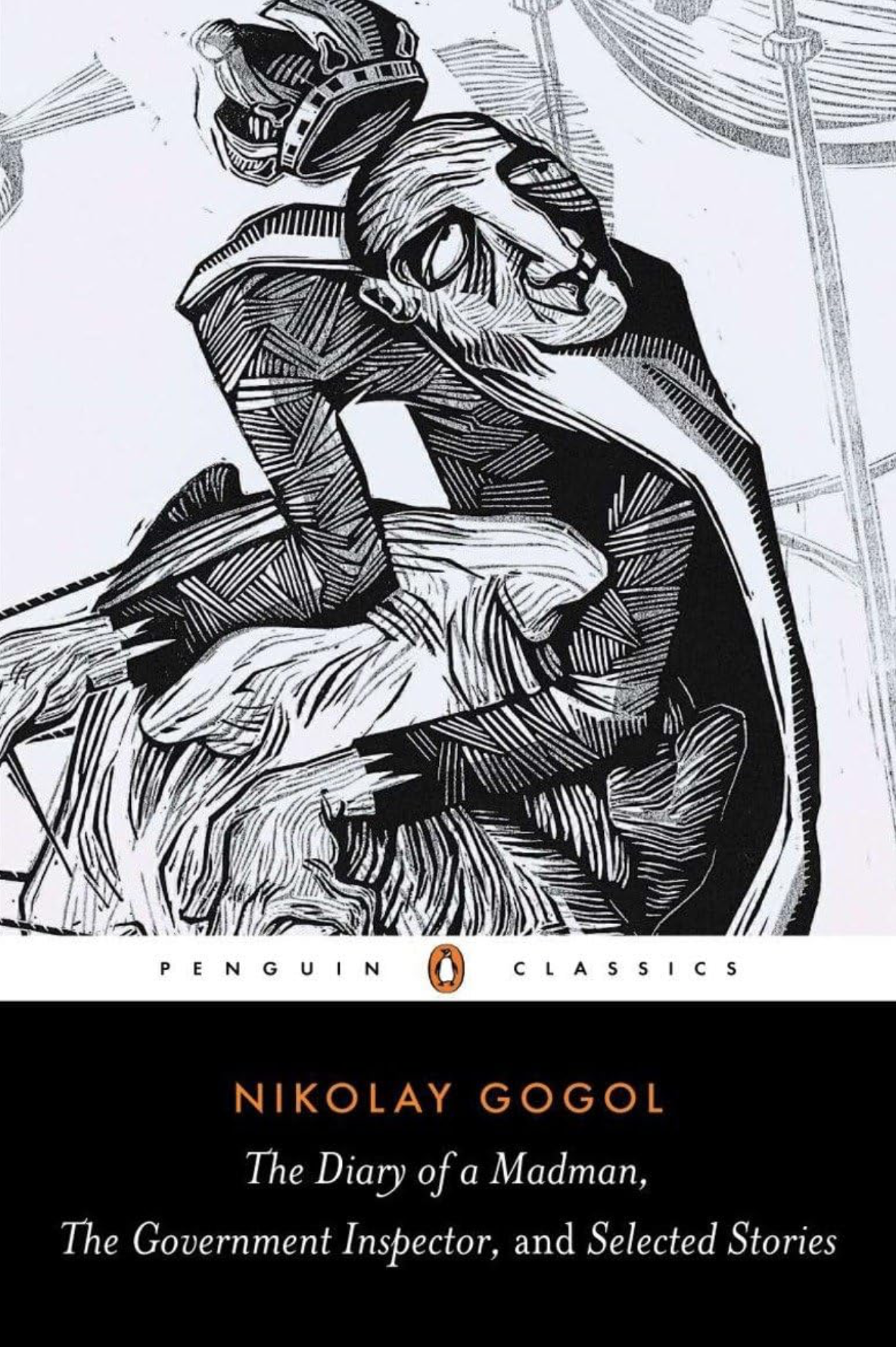
"Gogol was a strange creature," said Nabokov, "but genius is always strange." Nikolai Vasilievich Gogol (1809 – 1852) rose from obscurity to a brilliant literary career that forever changed the course of Russian literature. Born in 1809, he and his contemporary Pushkin influenced the titans who followed, including Tolstoy and Doestoevsky and Chekhov. Best known for his novel Dead Souls, his play, The Government Inspector, and a handful of classic short stories like “Diary of a Madman” and “The N...
188
Sept. 16, 2019
Zora Neale Hurston and Langston Hughes (with Yuval Taylor)
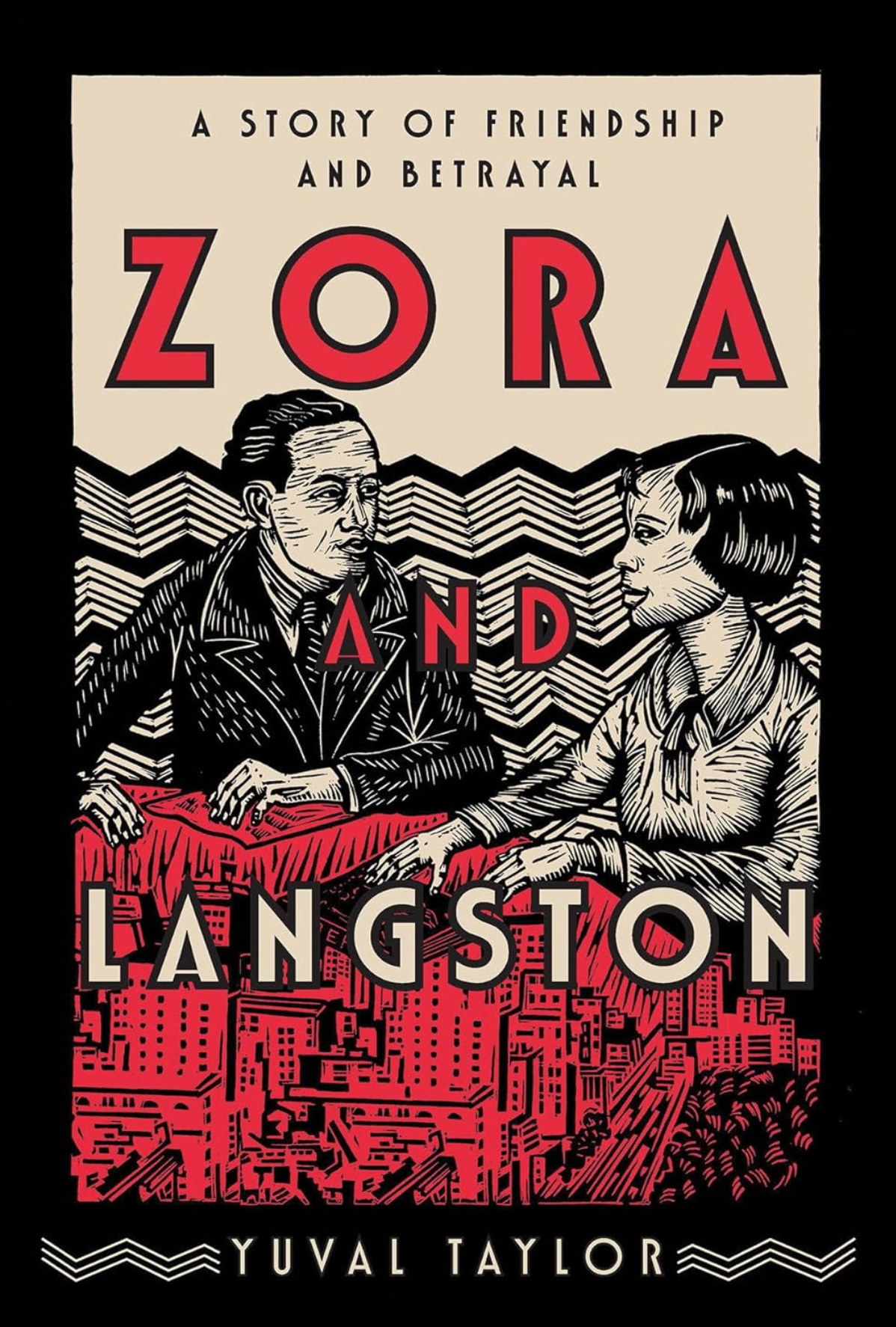
They were collaborators, literary gadflies, and champions of the common people. They were the leading lights of the Harlem Renaissance. Their names were Zora Neale Hurston (1891 - 1960), the author of Their Eyes Were Watching God, and Langston Hughes (1902 - 1967), the author of “the Negro Speaks of Rivers” and “Let America Be America Again.” After meeting at a great gathering of black and white literati, the two writers traveled together through the rural South collecting folklore, collaborated...
187
Sept. 9, 2019
The Brontes
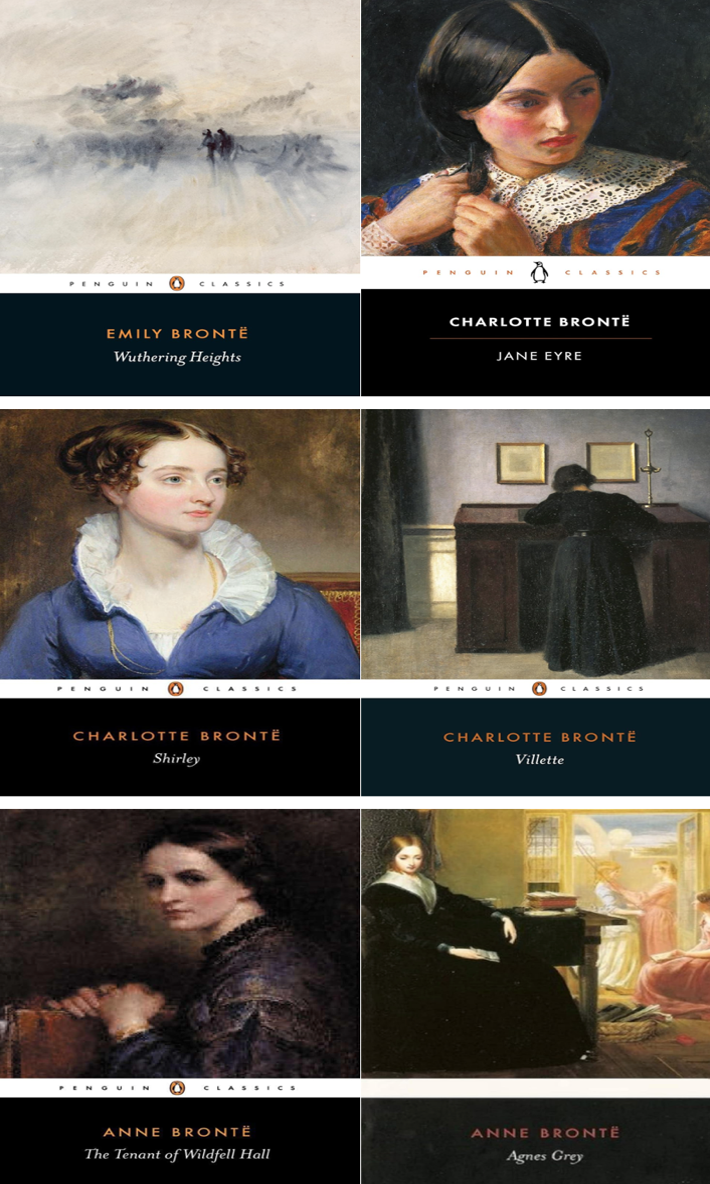
Although their lives were filled with darkness and death, their love for stories and ideas led them into the bright realms of creative genius. They were the Brontes - Charlotte, Emily, and Anne - who lived with their brother Branwell in an unassuming 19th-century Yorkshire town called Haworth. Their house, a parsonage, sat on a hill, with the enticing but sometimes dangerous moors above and a cemetery, their father’s church, and the industrializing town below. It was a dark little home, with lit...
186
Aug. 31, 2019
Robert Louis Stevenson
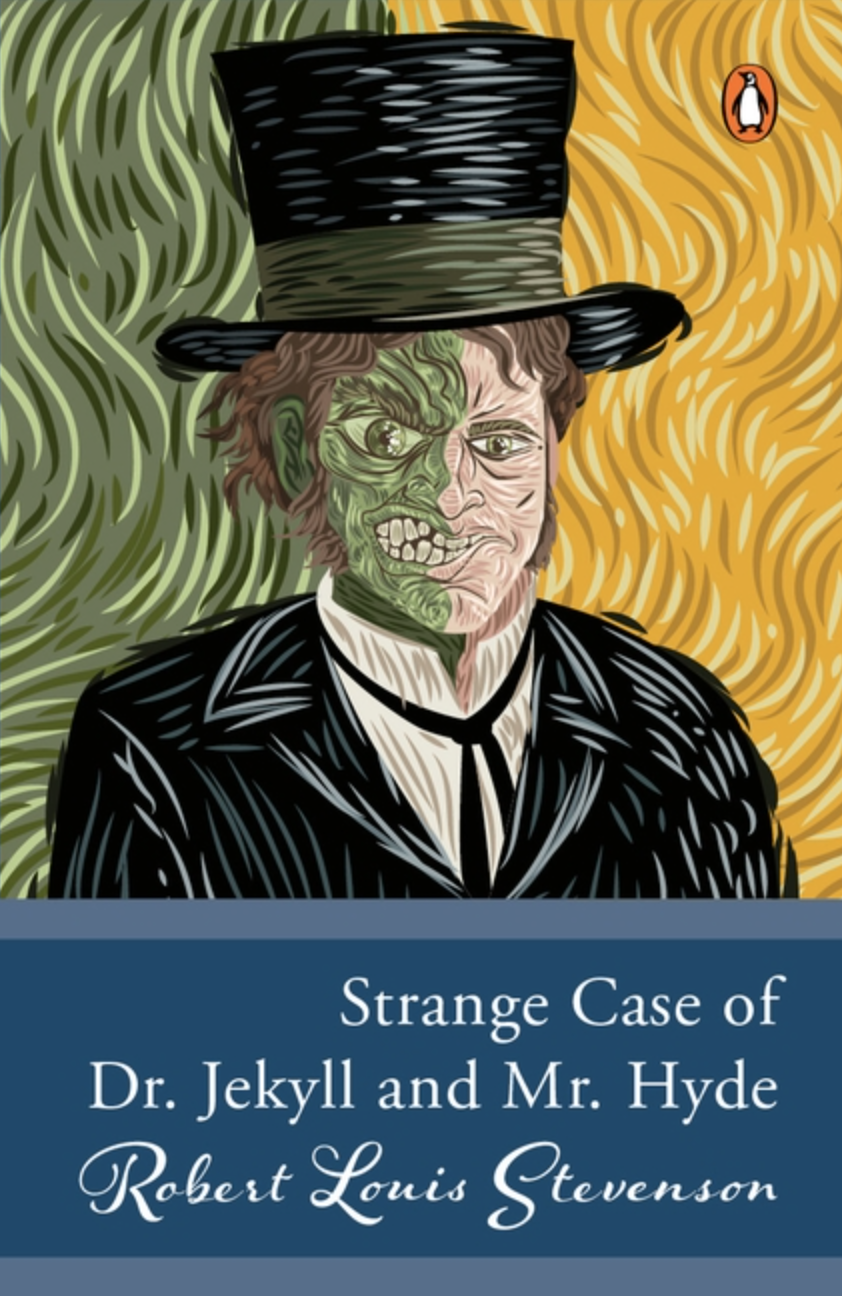
Robert Louis Stevenson (1850-1894) went from a childhood in the western islands of Scotland to the heights of literary popularity and success, beloved and admired for his adventure stories Treasure Island and Kidnapped and his eerie portrait of a double life The Strange Case of Dr. Jekyll and Mr. Hyde. Dismissed by Virginia Woolf as a writer for children and by H.G. Wells as a demonstration of the triumph of talent over genius, Stevenson nevertheless thrilled generations of audiences and inspire...

185
July 22, 2019
Marcel Proust
Marcel Proust (1871-1922) did little of note until he turned 38 years old - but from that point forward, he devoted the rest of his life to writing a masterpiece. The result, the novel In Search of Lost Time, published in seven volumes from 1913 to 1927, stands as one of the supreme achievements of Modernism or any other period. Written in Proust's inimitable, discursive prose, the novel recreates the memories of a lifetime, infusing a search for the past with an almost mystical belief in the po...

184
April 8, 2019
George Eliot
Perhaps the greatest of all the many great English novelists, George Eliot was born Mary Ann Evans in 1819 in Nuneaton, Warwickshire, England. Her father Robert managed an estate for a wealthy family; her mother Christina was the daughter of a local mill-owner. Among her rather large family, Mary Ann stood apart as the only one with a taste for intellectual pursuits. Her views on philosophy and theology led her to reject religion at the age of 22, leading to a row with her father that lasted mon...

183
April 1, 2019
Samuel Beckett
We're back! A newly reenergized Jacke Wilson returns for a deep dive into the life, works, and politics of Samuel Beckett. Yes, we know him as one of the key figures bridging the gap between modernism and post-modernism - but was he more than just a highly refined artist generating art for art's sake? Was he engaged with his times? And if so, how might that engagement have affected his writings? We'll immerse ourselves in Waiting for Godot and some of Beckett's other works for our answer.. He...

182
March 6, 2019
182 Darkness and Light (with Jessica Harper)
Jessica Harper has had the kind of life it would take ten memoirs to capture. Born in 1949, she went from a childhood in Illinois to a career as a Broadway singer, a Hollywood actor and movie star, a songwriter, an author of children’s books, an author of cookbooks, and now a podcaster. Along the way, she’s worked with everyone from Woody Allen to Steve Martin to Bette Midler to Garry Shandling to Peter O'Toole to Max von Sydow to Brian di Palma to - well, it’s a who’s who of everyone Jacke admi...

181
Feb. 27, 2019
181 David Foster Wallace (with Mike Palindrome)
Frequent guest Mike Palindrome takes the wheel for another solo episode on David Foster Wallace, including a deep dive into Wallace's unfinished manuscript The Pale King, published posthumously in 2011. DAVID FOSTER WALLACE (1962-2008) was an American author best known for his novels The Broom of the System and Infinite Jest, his story collection Brief Interviews with Hideous Men, his essay collection A Supposedly Fun Thing I'll Never Do Again, and his graduation speech to Kenyon College, pub...
Feb. 19, 2019
180 Donald Barthelme
Donald Barthelme’s “The Balloon” (1966) is one of the strangest and most enduring short stories to come out of the second half of the twentieth century. Filled with Barthelme’s gift for observation and detail, his wild imagination, and his playful wit, “The Balloon” represents for many the work of a postmodern master at his postmodern peak. But who was Donald Barthelme? Why were “The Balloon” and his other stories so popular? And are these postmodern stories interesting merely as a reflection of...

179
Feb. 13, 2019
179 The Oscars by Decade (with Brian Price)
Screenwriter and film scholar Brian Price (author of Classical Storytelling and Contemporary Screenwriting: Aristotle and the Modern Screenwriter) joins Jacke for a decade-by-decade look at the Oscar Winners for Best Picture. Which decade had the best movies? When did Hollywood get it right? And what does it tell us about the movies of the past - and the ones being made today? Help support the show at patreon.com/literature or historyofliterature.com/shop. (We appreciate it!) Find out more at...

178
Feb. 6, 2019
178 "The Lottery" by Shirley Jackson (with Evie Lee)
In this episode, we take a look at the classic twentieth-century American short story, "The Lottery" (1948) by Shirley Jackson. Why did it cause such an uproar? Who banned it and why? And how well does it hold up today? We'll be discussing all this and more with special guest Evie Lee. SHIRLEY JACKSON was born in 1916 in San Francisco, California, before leaving to attend college at Syracuse University. After marrying her college sweetheart, whom she met at the university's literary magazine,...

177
Jan. 30, 2019
177 Sherwood Anderson (with Alyson Hagy)
One hundred years ago, a collection of short stories by a little-known author from Ohio burst onto the literary scene, causing a minor scandal for their sexual frankness. In the years since, Sherwood Anderson's Winesburg, Ohio (1919) became more famous for its insightful portrayal of a town filled with friendly but solitary individuals, who wrestle with questions of love and lust, art and ambition, deep frustrations and the desire for spiritual uplift. How well have these stories held up? And ho...

176
Jan. 23, 2019
176 William Carlos Williams (The Use of Force)
Today, the American modernist poet William Carlos Williams (1883-1963) is famous among poetry fans for his vivid, economical poems like "The Red Wheelbarrow" and "This Is Just to Say." But for most of his lifetime, he struggled to achieve success comparable to those of his contemporaries Ezra Pound and T.S. Eliot. Toiling away as a physician in working-class neighborhoods in New Jersey, Williams tried to write poems and short stories whenever he could, often typing for a few minutes in between p...

175
Jan. 16, 2019
175 Virgin Whore - The Virgin Mary in Medieval Literature and Culture (with Professor Emma Maggie Solberg)
Today, we know the Virgin Mary as quiet, demure, and (above all) chaste, but this wasn't always the way she was understood or depicted. In her new book Virgin Whore, Professor Emma Maggie Solberg investigates a surprising - and surprisingly prevalent - theme in late English medieval literature and culture: the celebration and veneration of the Virgin Mary's sexuality. Professor Solberg joins Jacke for a discussion of the portrayals of Mary in medieval dramas and other works - and what we can lea...

174
Jan. 9, 2019
174 David Foster Wallace (A Mike Palindrome Special!)
Ask and ye shall receive! It's an all-Mike episode devoted entirely to one of his literary heroes, David Foster Wallace. Enjoy! Help support the show at patreon.com/literature or historyofliterature.com/shop. (We appreciate it!) Find out more at historyofliterature.com, jackewilson.com, or by following Jacke and Mike on Twitter at @thejackewilson and @literatureSC. Or send an email to jackewilsonauthor@gmail.com. *** This show is a part of the Podglomerate network, a company that pro...